A reading of Ariella Azoulay – The Civil Contract
Part I. From technical image to civic scene
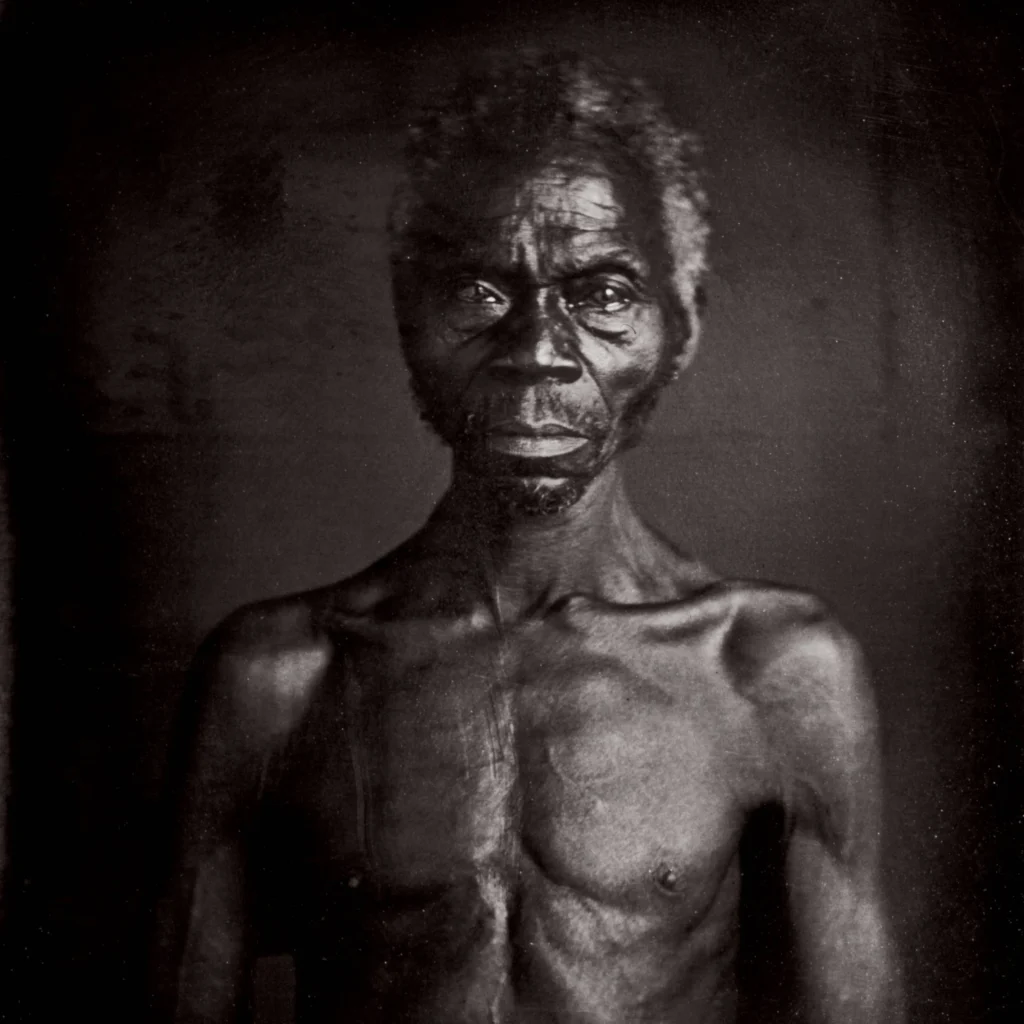
Ariella Azoulay argues that every photograph opens a civil relation among three figures who owe something to one another the maker the person who appears and the viewer. She calls this relation the civil contract. It is not a written law or an institutional procedure. It is an effective social fiction that becomes active whenever an image calls us to respond. Photography moves beyond aesthetic record or journalistic proof and becomes a shared political scene where rights claims and responsibilities circulate even when the state is absent or has failed. The question raised by each image is not only what it shows but what it asks of us and how we answer.
Part II. Wounded citizenship and the right to appear
Azoulay shifts citizenship from paper to the plane of the visible. Citizenship is not a stable status but a situated practice that is contested in the act of appearing. Entire populations live in chronic disaster women without protection in the law communities under occupation subjects pushed out of the public frame. Photography can become a place of appearance for those left outside the picture. Seeing stops being an innocent gesture and turns into an act that either recognizes or denies rights. The right to appear becomes a minimal form of visual citizenship.
Part III. The spectator is called to participate
Within this contract the spectator is not a passive observer. The image invites participation and asks the viewer to take responsibility for its effects. Some photographs work as emergency claims. They do not ask for distant pity but for presence and response. Passivity is also a political decision because it helps repeat the harm. To look with responsibility is to admit that the event which gave rise to the photograph remains open and that our reading can shape its destiny.
Part IV. Edges of the visible and regimes of representation
The book probes the edges where certain bodies are routinely kept out of frame. No life is invisible by nature. Power decides what may appear and what must remain in shadow. To photograph at the edge is to show what should not have been seen and to expose the regime that produces violence. The camera does not only document facts. It renders legible the mesh of permissions punishments and omissions that structure the everyday life of the governed.
Part V. Editing archives and circulation as part of ethics
A photograph does not end at the shutter. An image lives at its public edge. It is edited captioned archived and circulated through institutions platforms and media that can amplify a demand for justice or suffocate it through crops captions and silences. Publication alone does not create democracy. An image without context becomes rumor. An image that never circulates becomes a stalled claim. Viewers archivists and publishers share responsibility for the civil fate of a photograph.
Part VI. An instructive scene
Azoulay recalls the daguerreotype of Jonathan Walker’s palm made in eighteen forty five by Albert Sands Southworth and Josiah Johnson Hawes. The letters SS burned into his skin as punishment for helping enslaved people escape were read in public as savior of slaves. The image did not act on its own. It acted because a community reinterpreted the sign and inverted the stigma. Here the civil contract is visible in practice a small turn of meaning that undoes humiliation and restores dignity.
Part VII. What this framework offers to image making today
Azoulay’s approach suggests concrete tasks for creators who work with cameras phones and digital tools. To design produce and release images is not only to solve technical problems. It is to enter a civil relation with subjects and viewers. Image making requires care for consent context and the eventual destination of the work. Framing choice sequence and edit are never neutral. Every choice shapes how a person appears and how the public will be able to recognize or deny that person’s right to appear.
Part VIII. New technologies platforms and artificial intelligence
Today circulation happens inside platforms that rank attention through recommendation systems and metrics. That setting does not cancel the responsibility of the creator it deepens it. Datasets that train generative models reopen questions about the right to appear and the right not to appear about consent and about the silent extraction of archives and images. Automatic remix synthetic faces procedural edits and algorithmic manipulation expand the technical repertoire and at the same time demand greater care. Faced with automated montage and convincing simulation the guidance of the civil contract is clear look as one who answers to another and create as one who enters a relation that is not private and not only technical but civic. Annotation credit traceability and withdrawal when needed become part of craft. So does active attention to the reading context.
Part IX. Practical criteria that follow from the civil contract
To create with this lens is to ask in advance how the person appears what risks publication opens in this specific setting what context the image needs in order not to become rumor what title caption and reading path support the claim the image carries and which channels reduce harm and increase recognition. It also means preparing ways to correct retract or update when an image changes meaning or when the safety of the portrayed person changes.
Part X. Closing
The Civil Contract of Photography places photography at the heart of common life. Any image can become a scene of political cohabitation. Citizenship is played out in looking in the manner of appearing and in the path a photograph follows from capture to archive. In an era of ubiquitous cameras global platforms and algorithmic techniques this framework offers a simple and demanding criterion create and look as one who assumes an obligation toward others and toward the community that shares the image.